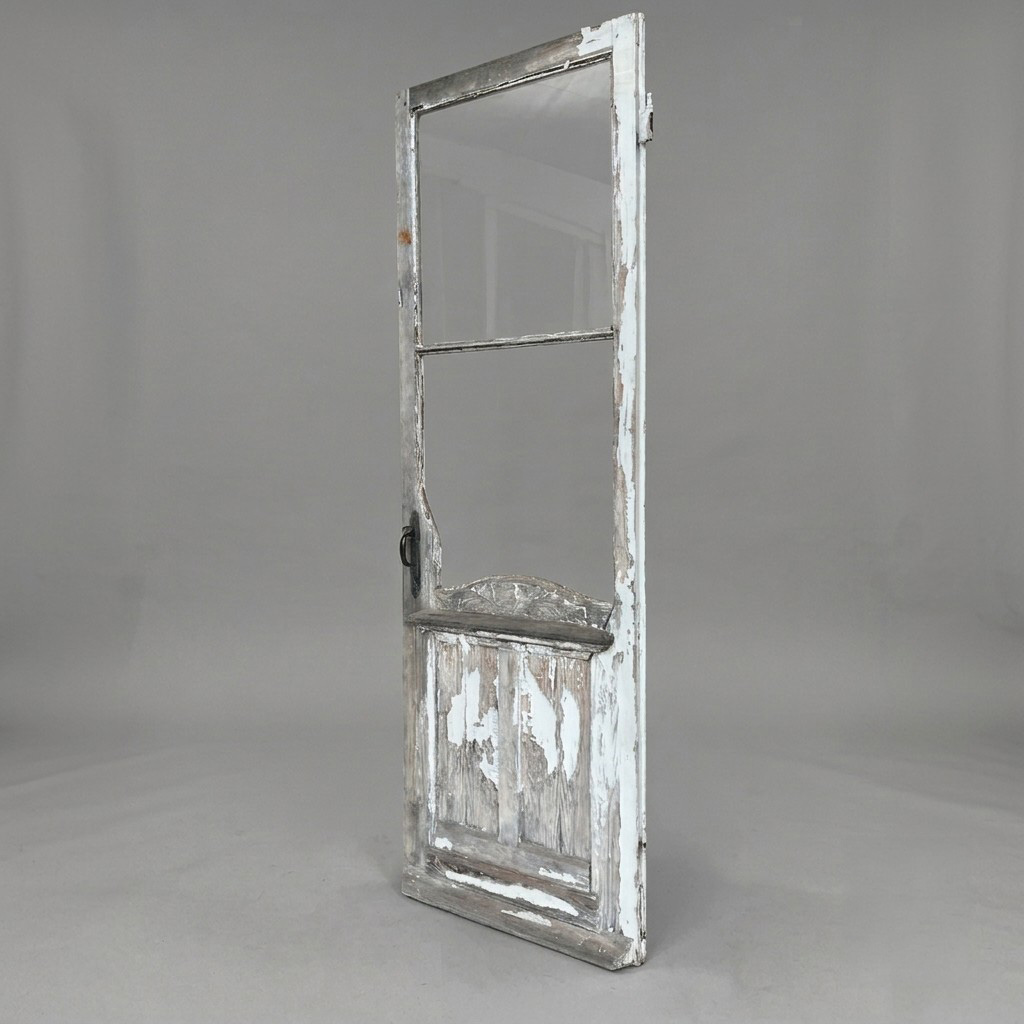
Artefacts
The workshop works through concrete examples — chairs, a table, a door, and elements from a larger architectural use case. Each artefact is a prompt in its own right: its specific damage, materiality, and history shape what repair strategies become thinkable.
Click the main image to open the gallery in full view, then keep clicking to step through the other images of that artefact. Each artefact links to its working folder in the project repository.
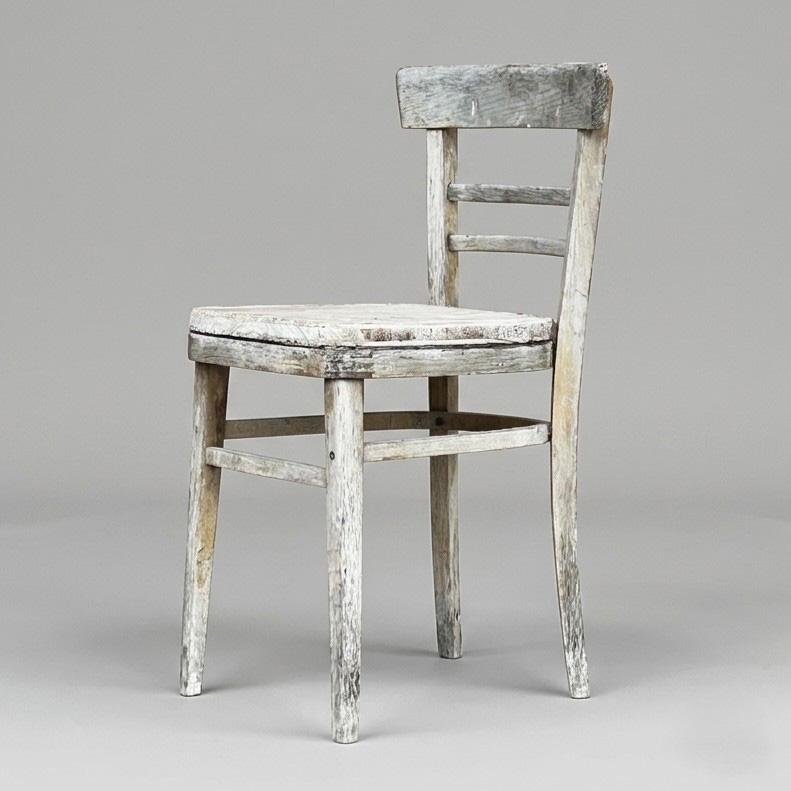


Lunch Chair
Broken and wobbly seat, questionable previous repair.
The current seat board is an addition — improvised and of not great quality. The old, much thinner seat panel remains underneath.
Open in repository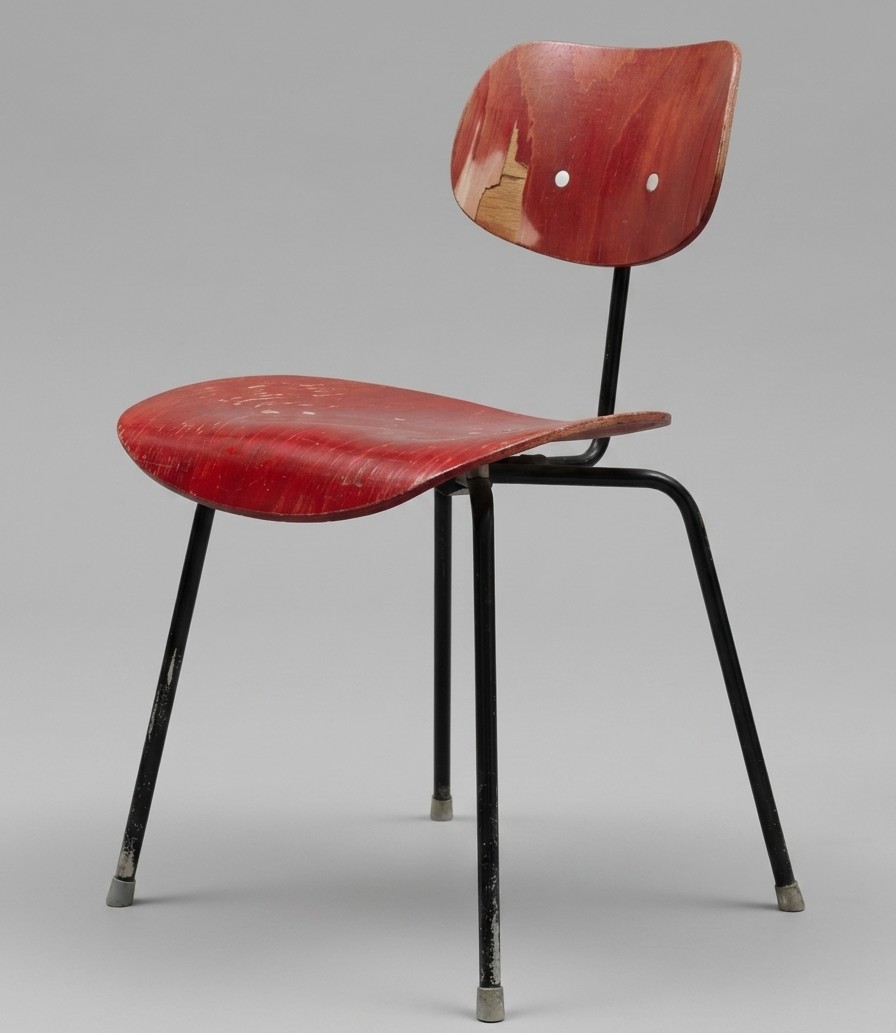
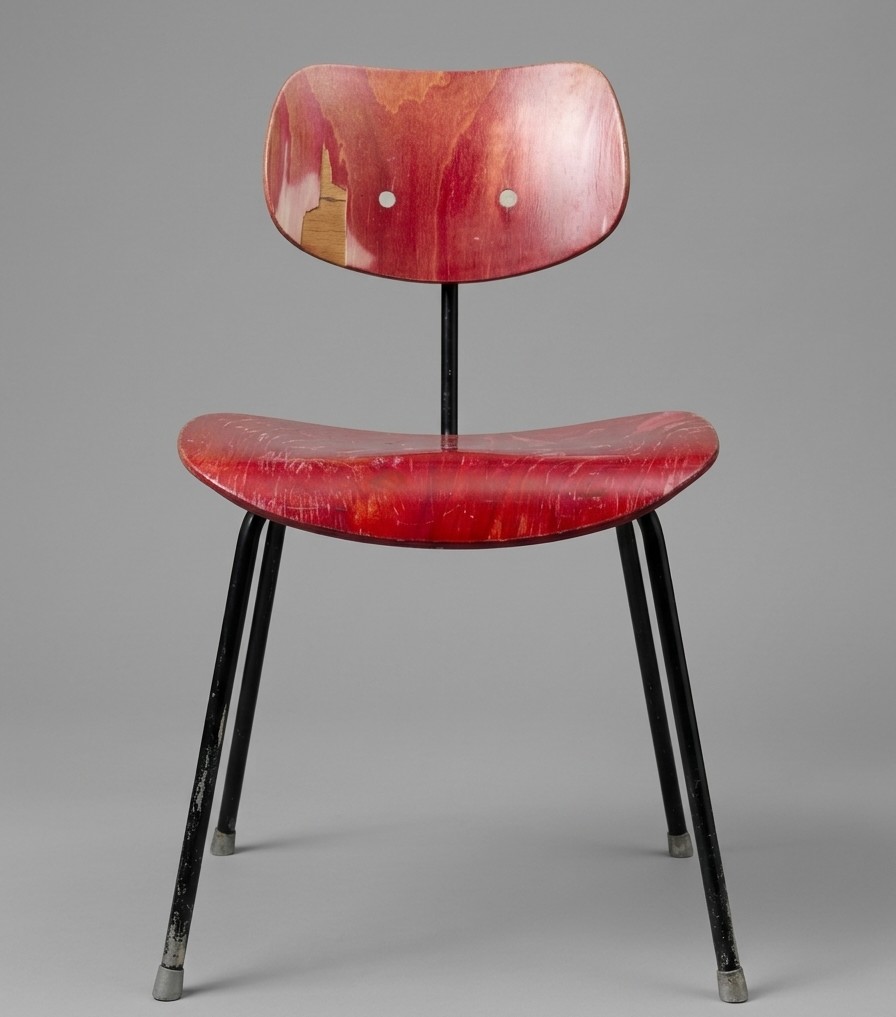

Egon Eiermann SE68 — Red
Chipped backrest, structural seat damage.
A 1950s plywood stacking chair, a German post-war classic. The thin moulded shell is part of what makes it canonical — and what makes repair delicate.
Open in repository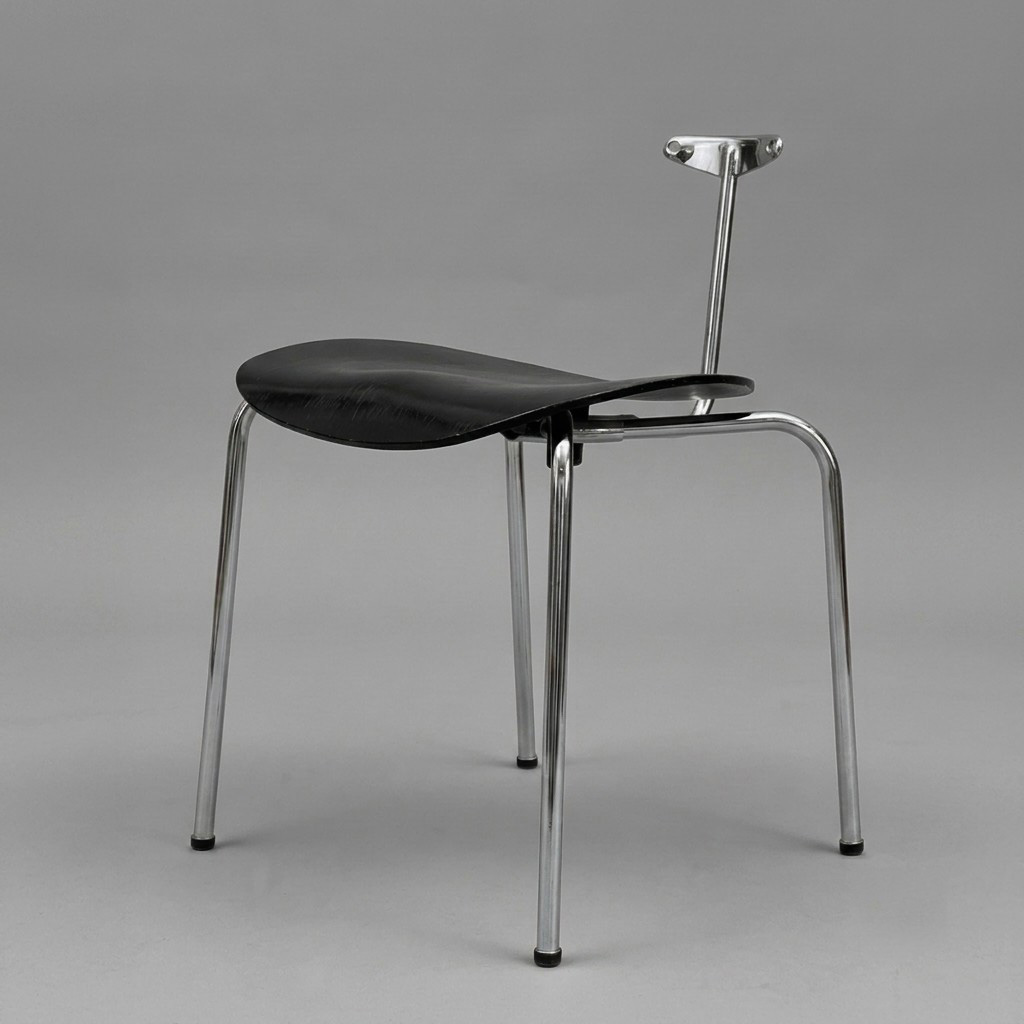


Egon Eiermann SE68 — Black
Missing backrest.
Same chair typology, different loss: where the red SE68 has a damaged backrest, this one has lost it entirely. The question of what counts as "the same chair" sharpens.
Open in repository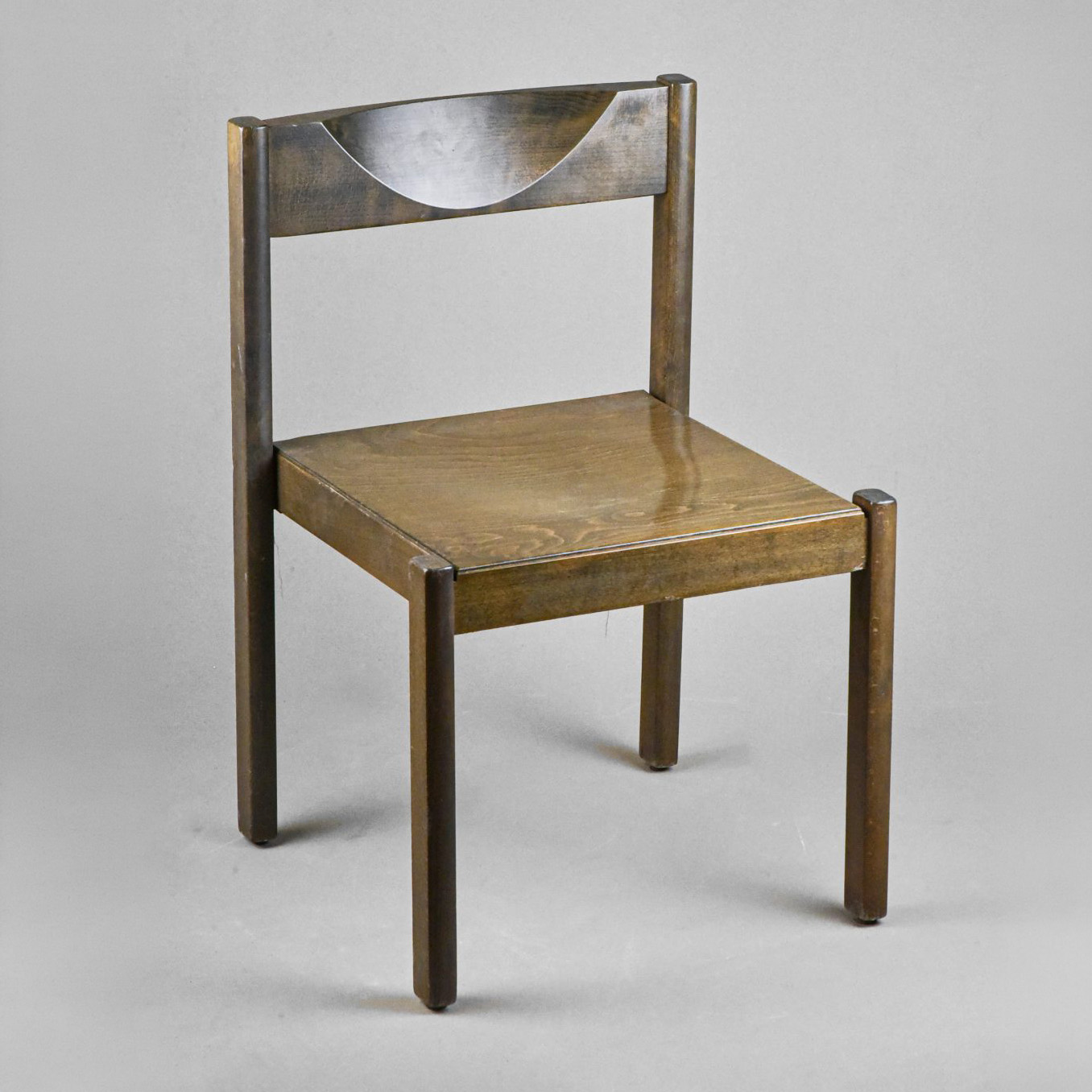


Dark Santo — Shattered
Severely fractured; multiple parts disconnected.
From the 1960s "Santo" series designed by Edlef Bandixen for Dietiker. Heavy fragmentation poses the most basic repair question: at what point does reassembly become reconstruction?
Open in repository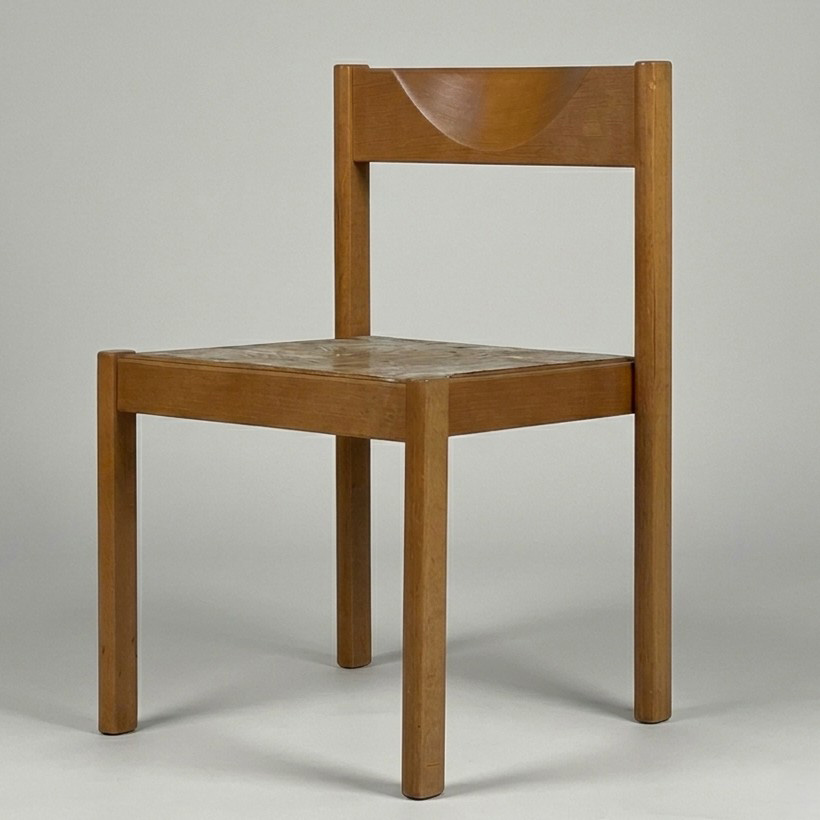


Light Santo — Without Feet
Missing gliders / feet; otherwise largely intact.
The same Santo typology in a lighter wood and a milder damage condition. A useful comparative case to the shattered version: same object class, very different repair territory.
Open in repository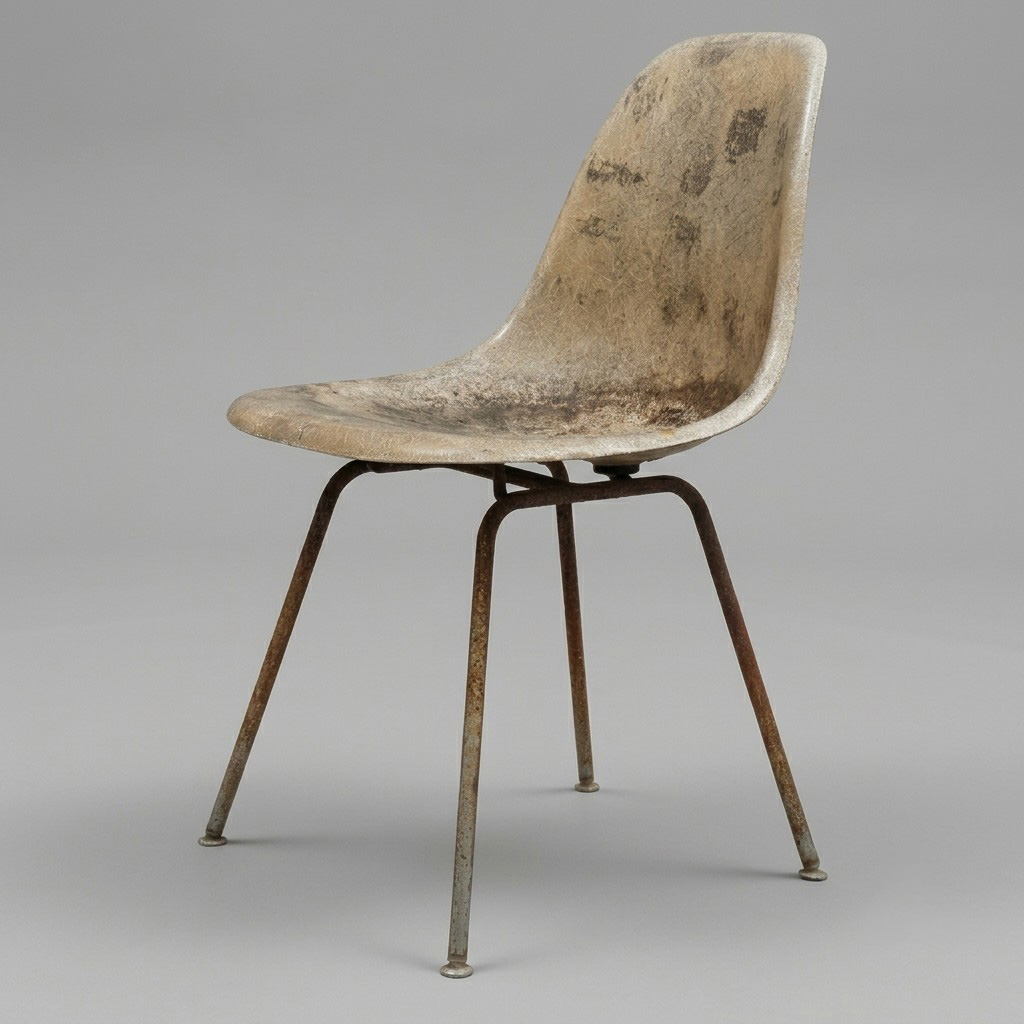


Eames Plastic Chair
Damaged seat shell.
A canonical mid-century design where the moulded plastic shell is both structure and surface. Repair logics differ sharply from those that apply to wood-based pieces.
Open in repository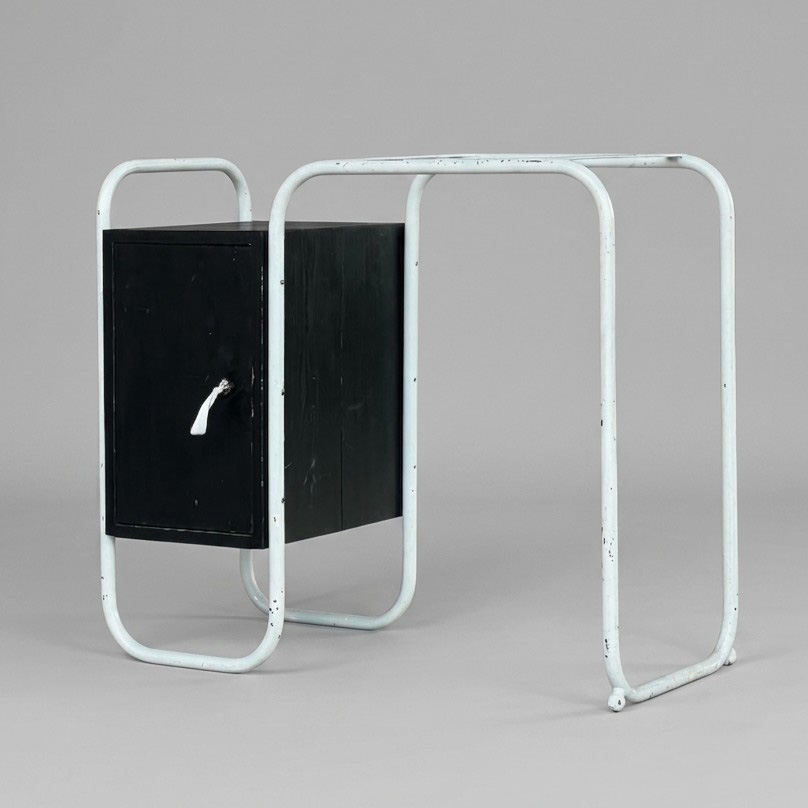


Bauhaus Table
Damaged top surface; loose connections.
A table from the Bauhaus lineage. Damage at the connecting joints opens questions of disassembly, dowel repair, and surface continuity.
Open in repository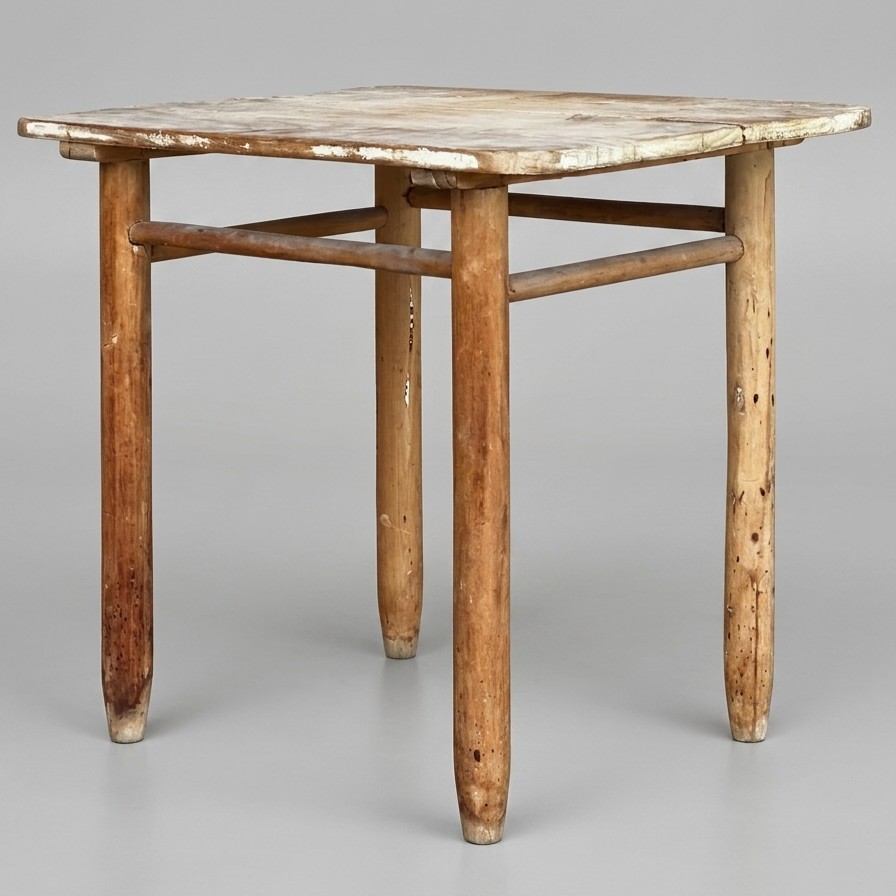


Split Coffee Table
Split running through the tabletop.
A wooden coffee table with a clear split. The repair conversation here is dominated by reversibility and the legibility of the intervention — to hide the crack, or to make it visible.
Open in repository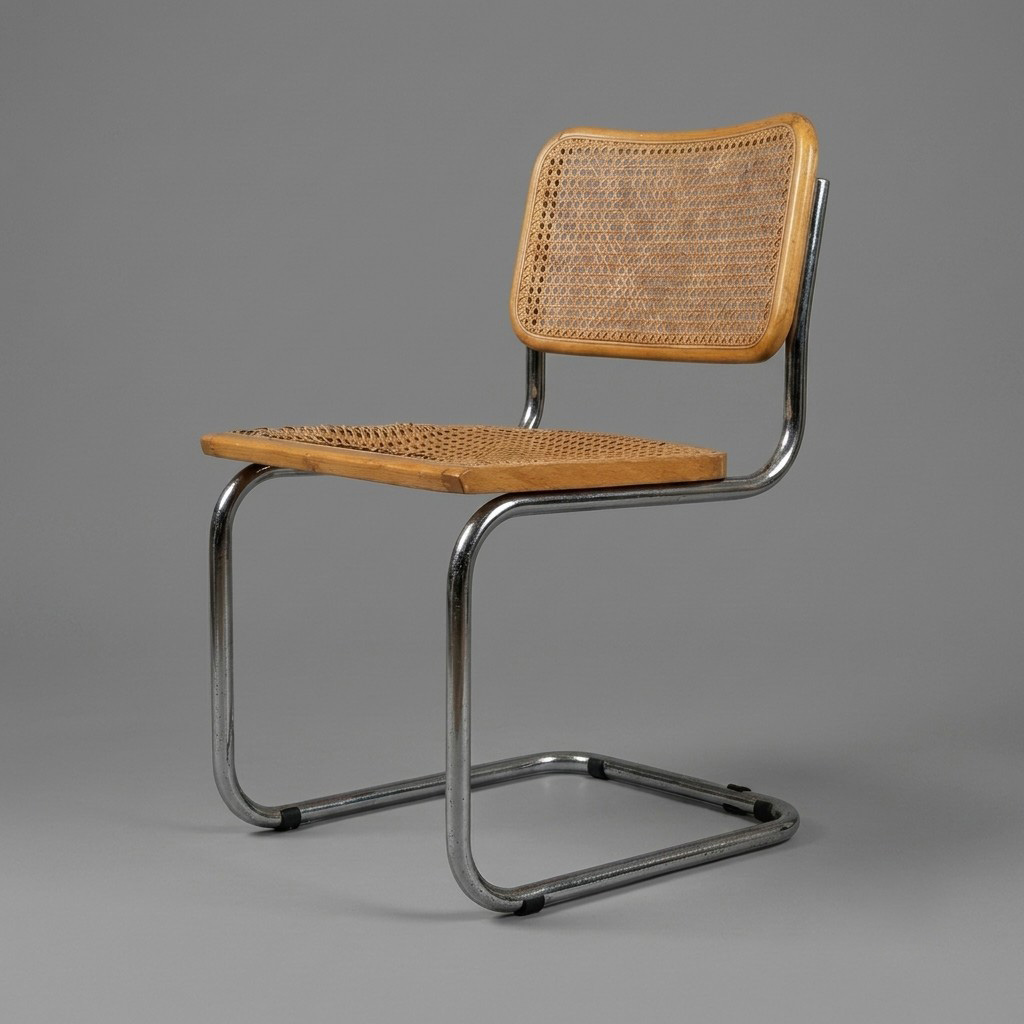


Marcel Breuer Chair
Failed cane seat.
A canonical tubular-steel-and-cane chair from the Bauhaus lineage. The seat has failed — the question is what to keep, what to replace, and what counts as "the chair" once the woven cane is no longer original. Strategies range from re-weaving with new cane to a more transparent contemporary intervention that lets the loss show.
Open in repository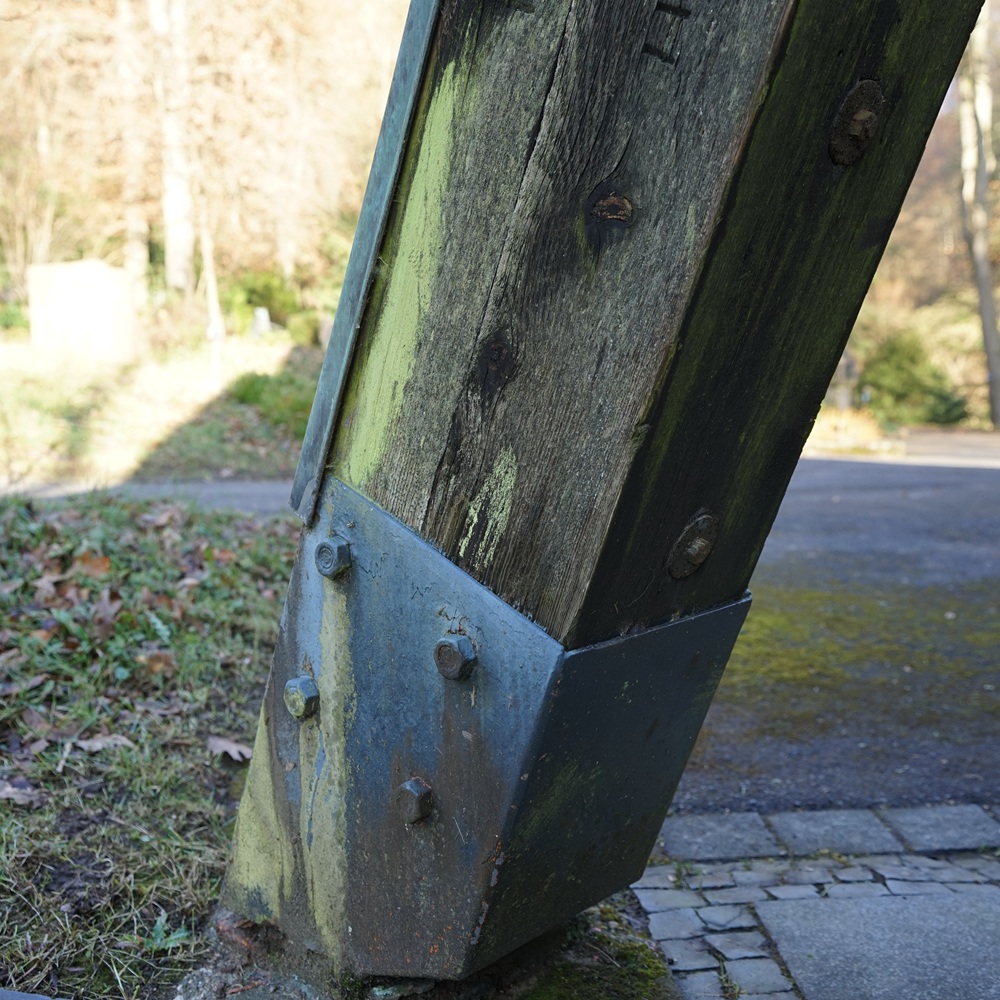


Chapel Foot
From the larger architectural use case.
A load-bearing element with visible damage. Structural concerns intersect with questions of material match and the legibility of repair. Description to be completed.
Open in repository